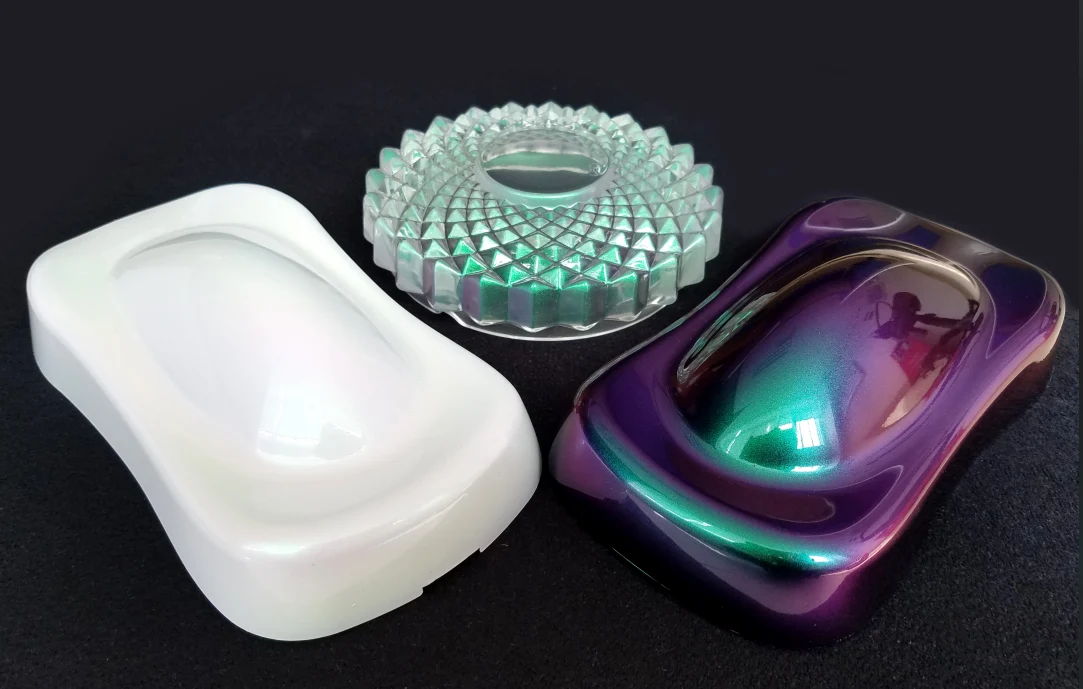
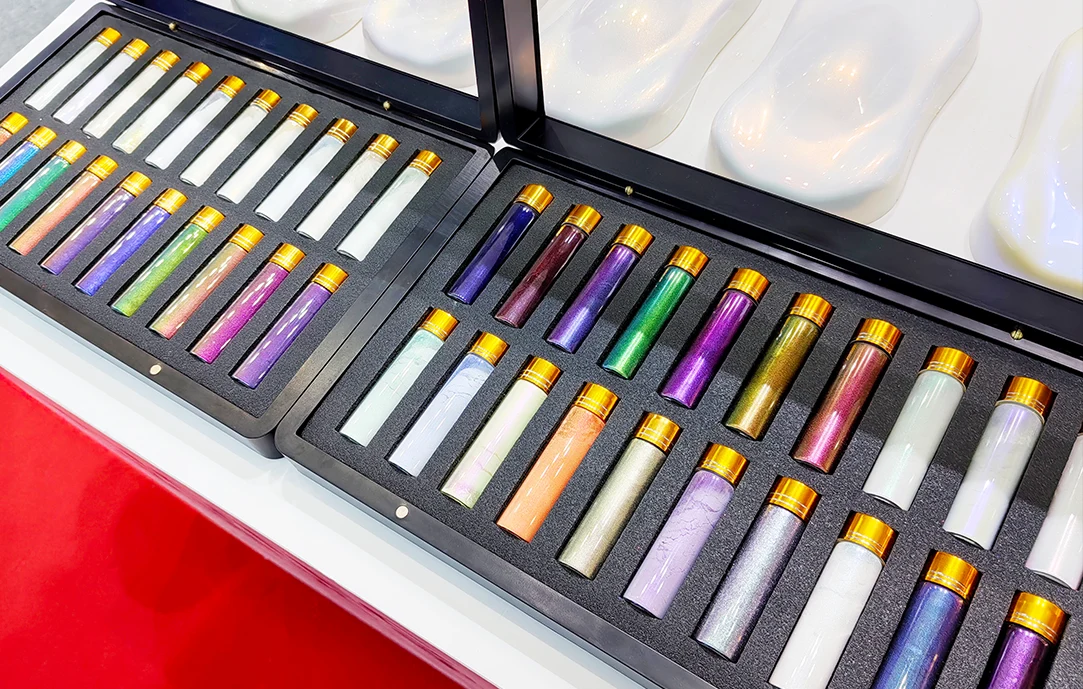
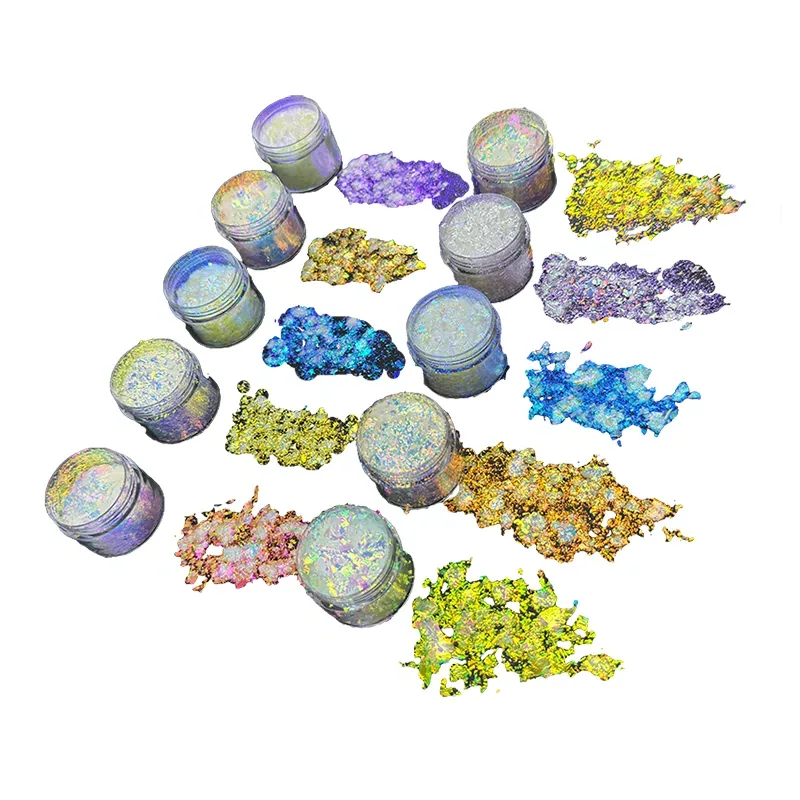
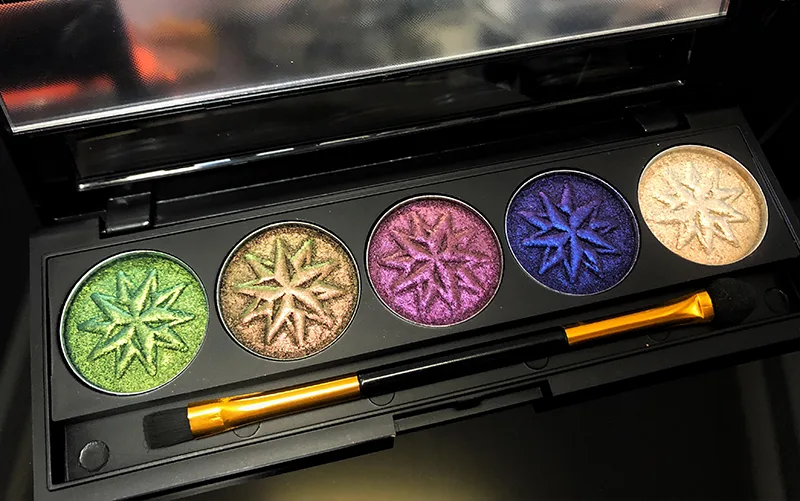
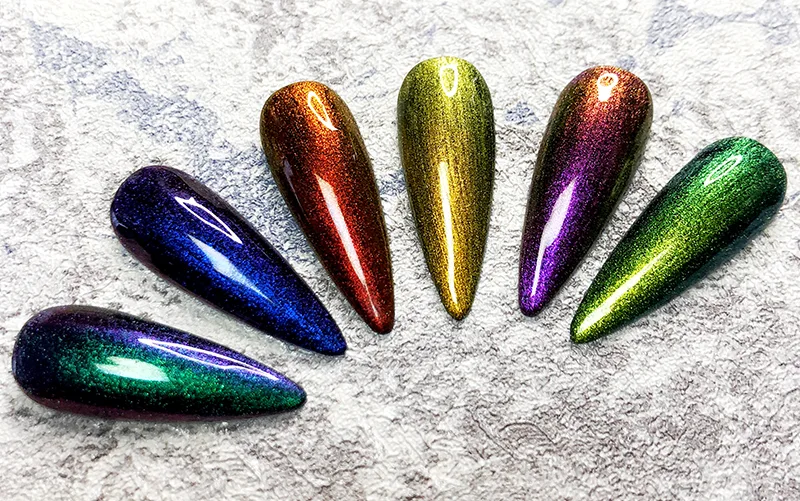
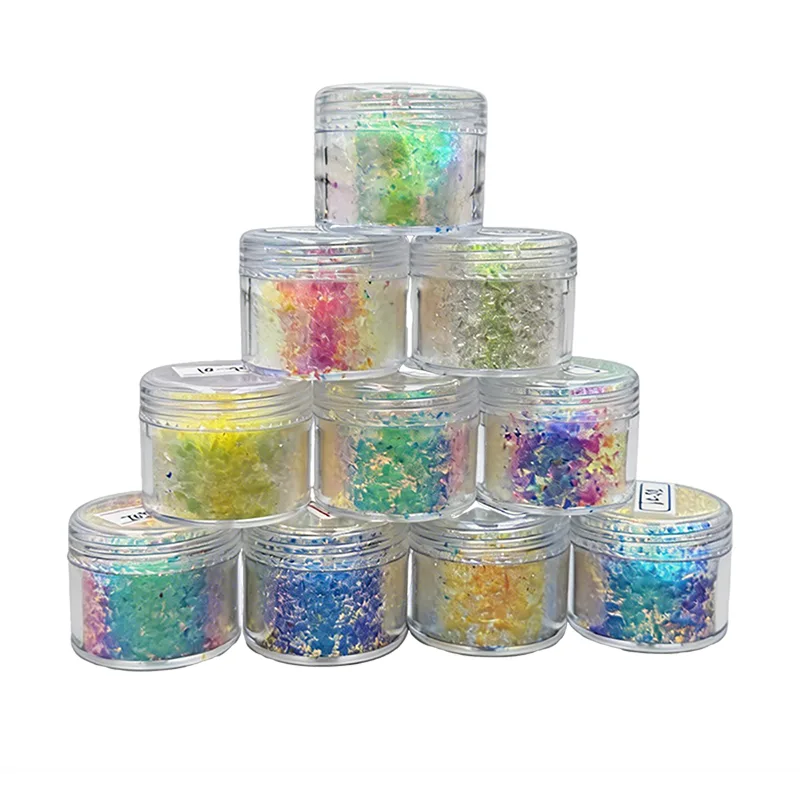
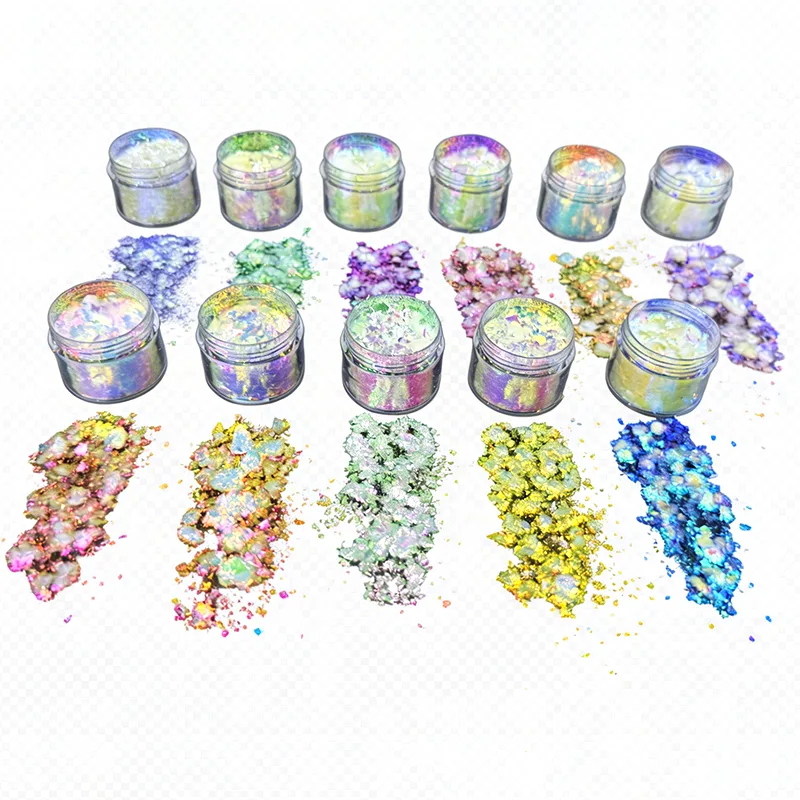
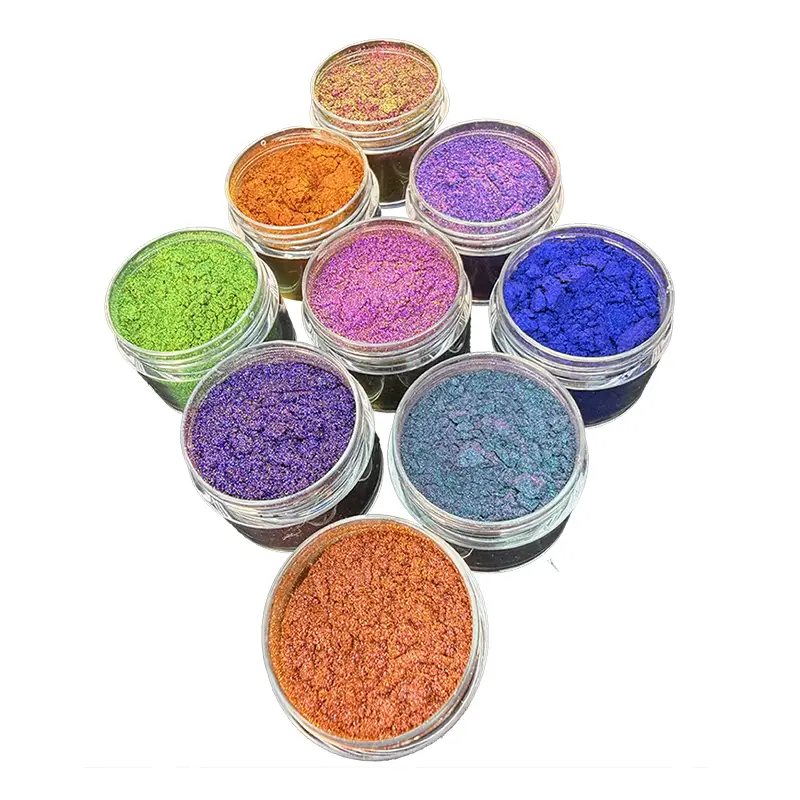
Optical Color-Shifting Pigments for Automotive Coatings is a type of multi-layer sheet-like pigment that undergoes significant color transitions with changes in observation angle / light source angle. The core consists of an alternating stack of high/low refractive index structures (such as TiO₂/SiO₂/TiO₂), and the layer thickness needs to be controlled within a nanometer tolerance to ensure color consistency.
1. Structural type
Media type (DOVP): Full media layer (such as SiO₂ + TiO₂), transparent, suitable for light-colored substrates, with bright colors and good weather resistance.
Metal reflective type: Metal core (Al/Cr/Ag) + media layer, opaque, with higher color saturation.
Particle size: Commonly 10–50 μm; Fine particle size (<15 μm) is delicate, while coarse particle size (25–50 μm) has strong luster.
Thickness: Single sheet approximately 1 μm, suitable for thin coating systems for automobiles.
2. Optical Performance Requirements (Core)
Chromatic Change Effect (Goniochromism)
Multi-angle Color Difference Value: ΔE ≥ 15 (15° → 110°), Significant Two-Color / Multi-Color Transition (such as Green → Purple, Gold → Blue).
Batch color difference: ΔE ≤ 2.0; Uniformity of particle size distribution within the same batch: ≥ 99% (ISO 13320).
Luster and clarity
High luster (20° ≥ 90 GU), high vividness (DOI ≥ 85); orientation degree **≥ 95% (ASTM D5767)**, no stripes / frosting.
3. Application and Compatibility Requirements
System Adaptation
General for solvent-based / water-based / powder coatings; for water-based systems, surface modification (such as SiO₂ coating) is required, to prevent hydrogen gas release and flocculation.
We use cookies to offer you a better browsing experience, analyze site traffic and personalize content. By using this site, you agree to our use of cookies.Privacy Policy