Huizhou Foryou Optical Technology Co., Ltd.
News

Why Are High-Chroma Opaque Chameleon Pigments for Intense Eyeshadow Changing Modern Eye Makeup?

2026-09-09 0 Leave me a message

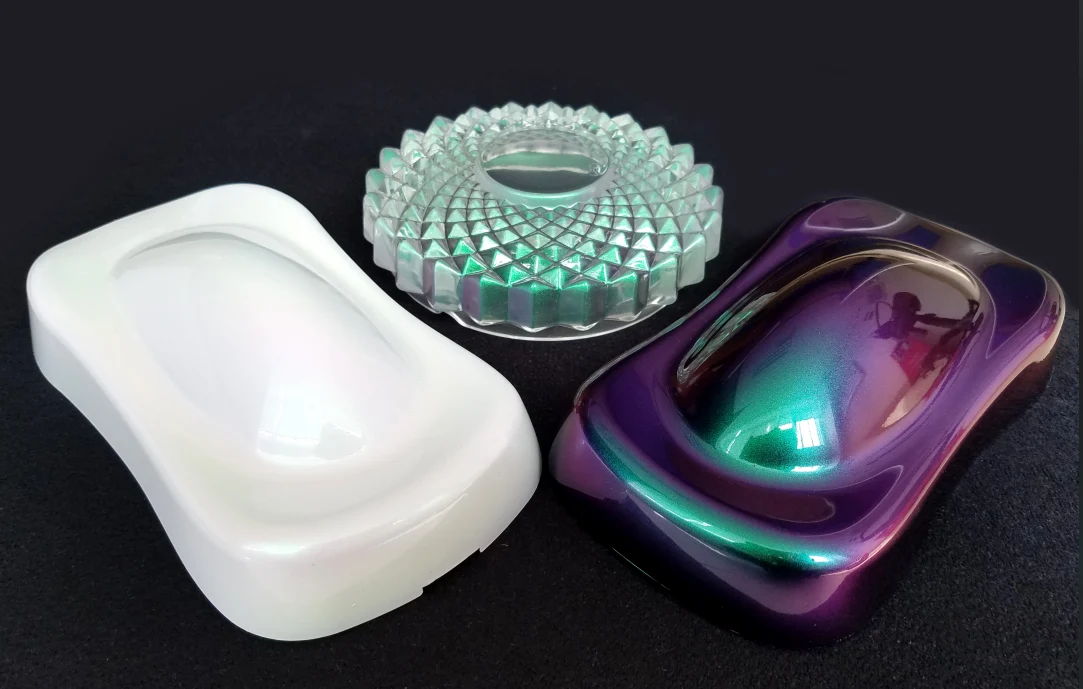
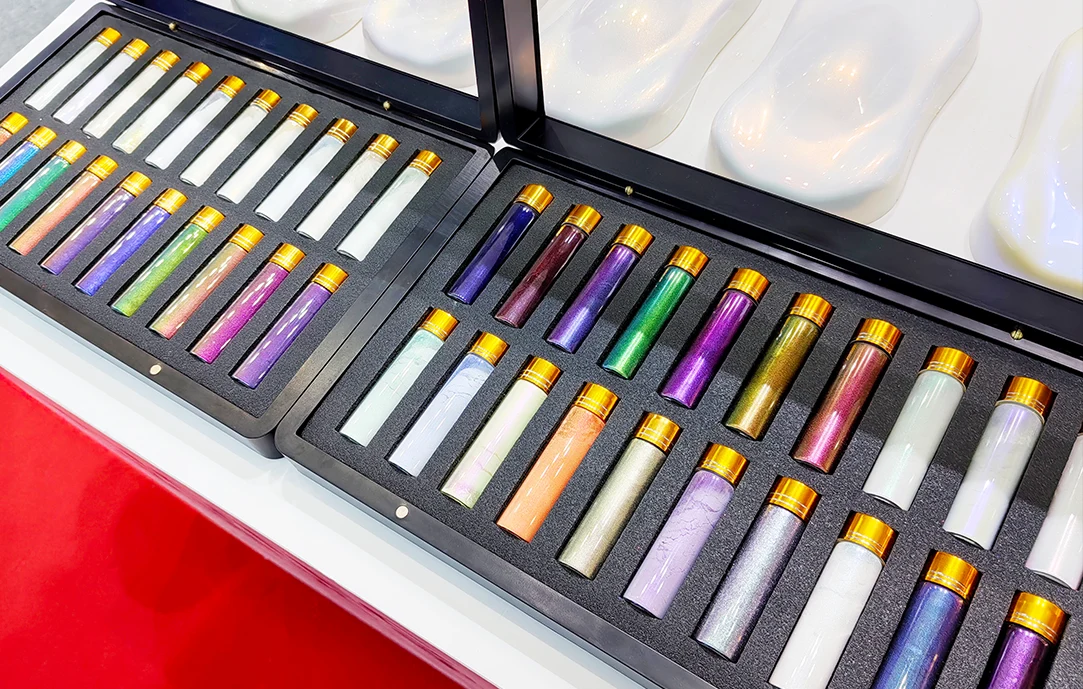
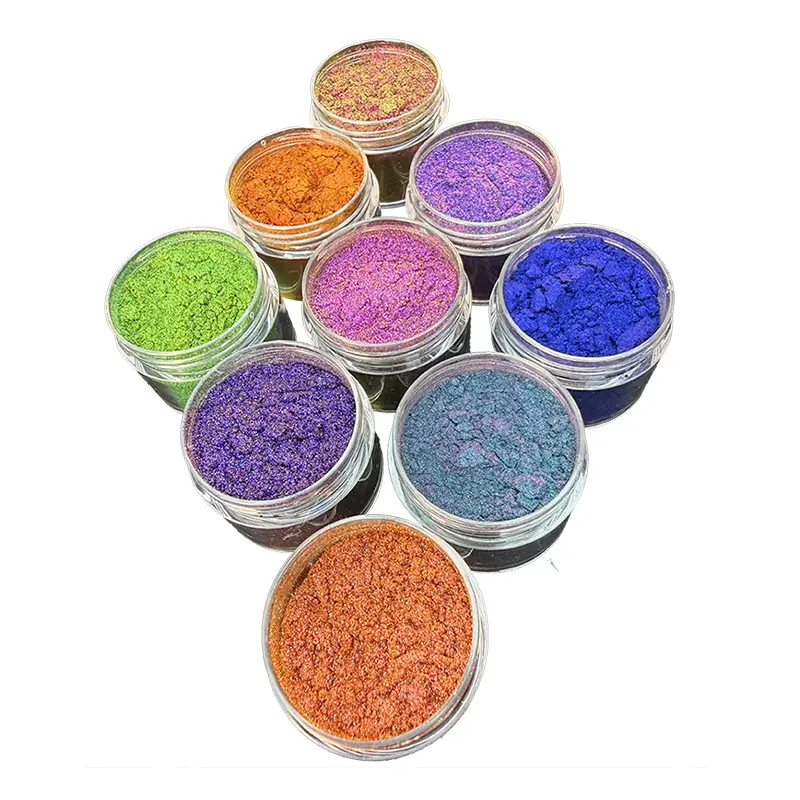
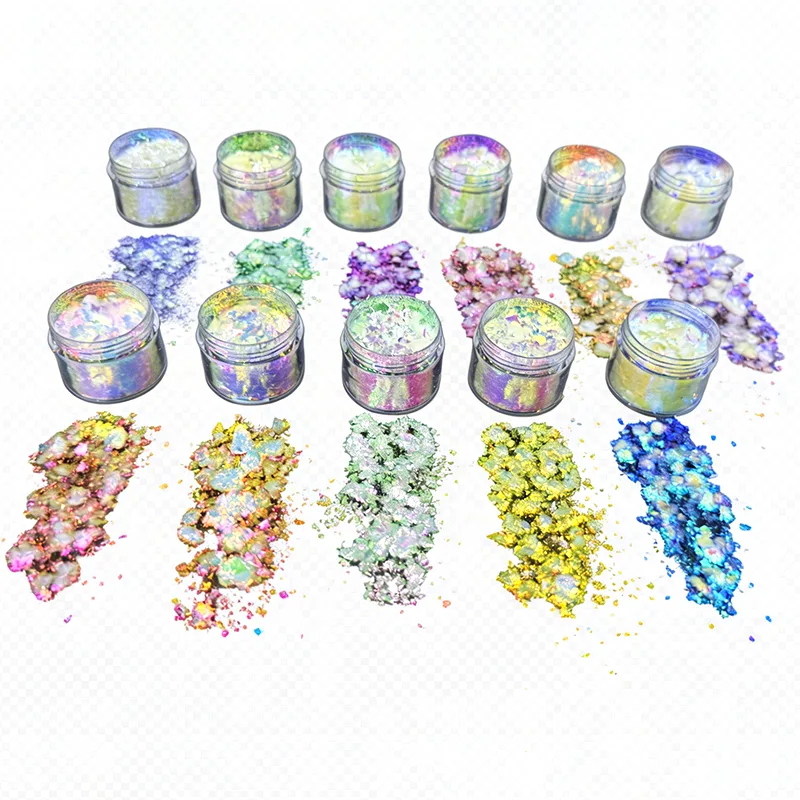
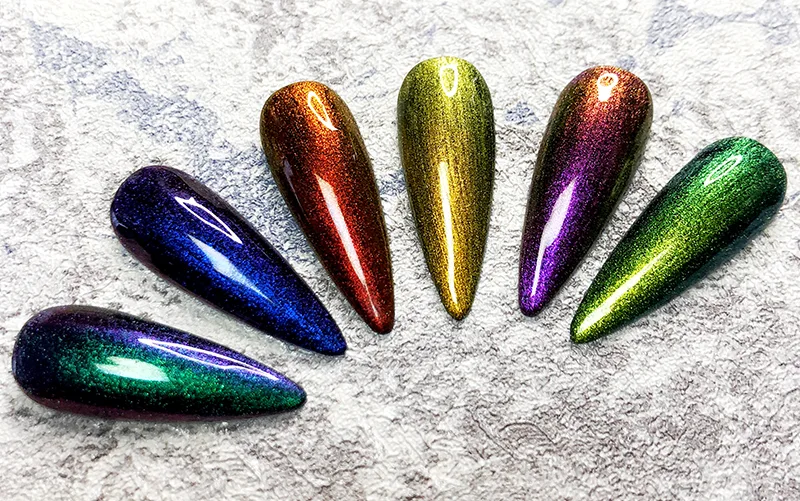
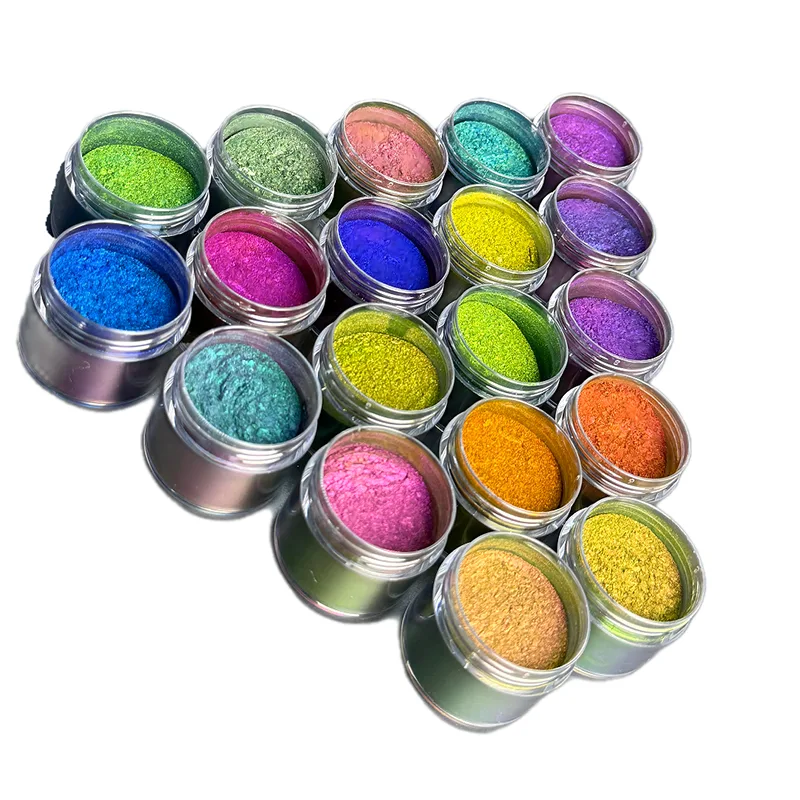
High-Chroma Opaque Chameleon Pigments for Intense Eyeshadow are designed for cosmetic applications where strong color payoff, opacity, and dynamic color-shifting effects are essential. Unlike ordinary colorants that may appear relatively flat, chameleon pigments can create changing visual effects as lighting and viewing angles change.

For eyeshadow manufacturers, the challenge is not simply producing a bright color. A successful formulation must balance pigmentation, coverage, adhesion, blendability, texture, stability, appearance, and manufacturing consistency. This article explains the characteristics of high-chroma opaque chameleon pigments, how they work in eyeshadow formulations, what performance factors buyers should evaluate, and how brands can develop more distinctive eye makeup products.

High-Chroma Opaque Chameleon Pigments for Intense Eyeshadow

Table of Contents

  1. Understanding High-Chroma Opaque Chameleon Pigments
  2. The Characteristics Behind Intense Eyeshadow
  3. How Chameleon Pigments Perform in Eyeshadow Formulas
  4. Key Benefits for Cosmetic Brands
  5. Chameleon Pigments Compared with Conventional Colorants
  6. Important Factors When Selecting Pigments
  7. Applications Across Modern Eye Makeup
  8. Formulation and Manufacturing Considerations
  9. Quality Control and Product Consistency
  10. Working with Huizhou Foryou Optical Technology Co., Ltd.
  11. Frequently Asked Questions
  12. Final Thoughts

Understanding High-Chroma Opaque Chameleon Pigments

Modern color cosmetics increasingly rely on optical effects to create products that look distinctive both in packaging and on the skin. Chameleon pigments are particularly interesting because their visual appearance can shift according to viewing angle and illumination.

The term high-chroma refers to strong color intensity and saturation. Opaque indicates the ability to provide substantial visual coverage rather than allowing the underlying surface to dominate the appearance. Together, these characteristics can be highly valuable in eyeshadow, where consumers often expect a noticeable color payoff from a relatively small amount of product.

A chameleon effect generally comes from carefully engineered optical interactions involving pigment structure, surface characteristics, and reflected light. Instead of presenting a single static color, the pigment can produce a primary shade accompanied by secondary tones or shifts as the observer changes position.

This makes the technology useful for eyeshadows intended to deliver a dramatic, premium, futuristic, or multidimensional appearance.


The Characteristics Behind Intense Eyeshadow

Creating an intense eyeshadow is more complicated than simply increasing pigment concentration. Excessive pigment loading can affect texture, pressing behavior, adhesion, fallout, and overall user experience. The objective is to obtain strong visual performance while maintaining a practical formulation.

Performance Factor Importance in Eyeshadow
High chroma Helps create vivid and visually saturated shades.
Opacity Supports stronger coverage and more noticeable color payoff.
Color shift Adds multidimensional effects under different lighting and angles.
Particle consistency Contributes to uniform appearance and batch-to-batch consistency.
Formulation compatibility Helps manufacturers integrate the pigment without compromising the finished formula.

For a high-performance eyeshadow, these properties should work together. A pigment can be highly reflective but lack sufficient coverage, or it can be intensely colored but provide little dimensional effect. The most useful solution depends on the desired product concept and formulation system.


How Chameleon Pigments Perform in Eyeshadow Formulas

Eyeshadow can be produced in several formats, including pressed powder, loose powder, cream, liquid, and hybrid systems. Pigment selection must therefore be considered together with the complete formulation.

In a pressed powder system, the pigment needs to distribute consistently throughout the powder base and remain compatible with binders, fillers, and other colorants. Poor dispersion may result in uneven color, visible agglomerates, or inconsistent payoff between applications.

In cream or liquid eyeshadows, additional attention may be required for suspension, viscosity, wetting, settling, and compatibility with oils or other liquid components. A pigment that performs well in a dry powder may require a different processing approach in a fluid formulation.

Practical formulation principle: pigment performance should always be evaluated in the finished formula rather than judged only from the raw material appearance. Dispersion, application method, base composition, binder selection, and loading level can all influence the final visual result.

Application tools also matter. Brushes, sponge applicators, and fingers can produce different levels of pickup and pressure. Therefore, testing should reflect how the final consumer is expected to use the eyeshadow.


Key Benefits for Cosmetic Brands

High-chroma opaque chameleon pigments can help cosmetic companies differentiate their eye makeup collections in several ways.

  1. Stronger shelf impact: Dynamic color effects can make packaging swatches and finished shades visually distinctive.
  2. Multidimensional appearance: Color-shifting effects can add depth without requiring multiple separate shades.
  3. Premium positioning: Special-effect pigments are suitable for collections built around sophisticated or innovative visual concepts.
  4. Creative shade development: Formulators can combine chameleon pigments with other pigments to develop customized visual effects.
  5. Versatile product concepts: The same optical technology can support everyday shimmer shades as well as dramatic editorial makeup.
  6. Brand differentiation: Distinctive optical effects can help a new collection establish its own visual identity.

For brands competing in crowded color-cosmetics categories, visual differentiation is particularly valuable. Consumers often evaluate eyeshadow from both the package appearance and the first application, making color payoff and optical character important parts of the overall product experience.


Chameleon Pigments Compared with Conventional Colorants

Traditional colorants remain essential in cosmetic formulation, but they typically focus on establishing a stable base hue. Chameleon pigments add another dimension by manipulating how color is perceived under changing viewing conditions.

Feature Conventional Pigments Chameleon Effect Pigments
Primary purpose Establish color Create color plus optical variation
Visual character Generally more uniform Multidimensional and angle-dependent
Design flexibility Based mainly on shade combinations Can incorporate optical color-shift effects
Best suited for Classic and foundational shades Special-effect and statement shades

These technologies do not necessarily compete with one another. In many formulations, conventional pigments and effect pigments can be combined to create a more complex final shade.


Important Factors When Selecting Pigments

Choosing a pigment supplier should involve more than comparing a quoted price. Cosmetic manufacturers need to evaluate technical performance, documentation, consistency, and supply capability.

  • Color strength: Confirm that the pigment can deliver the desired intensity at a practical addition level.
  • Opacity: Assess coverage on the intended cosmetic base and skin application.
  • Color-shift behavior: Test the primary and secondary tones under different lighting and angles.
  • Particle characteristics: Consider particle size distribution, feel, dispersion, and visual uniformity.
  • Formulation compatibility: Evaluate performance in the exact powder, cream, or liquid system.
  • Batch consistency: Consistent optical performance is essential for commercial production.
  • Documentation: Request appropriate technical and regulatory documents for the intended market.
  • Packaging and storage: Confirm that the pigment can be stored and transported under suitable conditions.
  • Technical support: A knowledgeable supplier can help reduce formulation trial-and-error.

Sample evaluation should ideally include both laboratory testing and pilot-scale production. A pigment that performs well in a small laboratory batch may behave differently when mixing volume, processing time, equipment, or binder concentration changes.


Applications Across Modern Eye Makeup

The optical characteristics of chameleon pigments make them suitable for a wide range of cosmetic concepts.

Pressed Eyeshadow

Useful for vivid single shades, duochrome effects, multidimensional palettes, and statement colors.

Loose Pigments

Can provide concentrated visual effects for professional makeup artists and experimental looks.

Cream Eyeshadow

Can create bold reflective effects when the pigment is appropriately dispersed within the cream base.

Special-Effect Makeup

Suitable for editorial, stage, festival, artistic, and trend-focused makeup collections.

Beyond eyeshadow, compatible optical pigments may also be considered for selected color-cosmetic applications where their technical specifications and applicable cosmetic regulations permit their use.


Formulation and Manufacturing Considerations

Manufacturers should control the complete production process when working with special-effect pigments. The pigment's optical performance depends not only on its intrinsic properties but also on how it is processed.

During premixing, excessive mechanical stress may influence certain effect-pigment structures. The appropriate processing conditions therefore depend on the specific pigment technology and formulation. Manufacturers should follow the supplier's technical recommendations and validate their own process parameters.

Dispersion is another critical point. Inadequate dispersion can create localized pigment concentrations, leading to inconsistent shade intensity and an uneven appearance. Conversely, an unsuitable processing method may alter the desired visual effect.

For commercial production, manufacturers should establish standardized procedures covering:

  1. Raw-material inspection.
  2. Batch weighing and traceability.
  3. Controlled premixing.
  4. Dispersion and blending parameters.
  5. Pressing or filling conditions.
  6. Finished-product appearance testing.
  7. Packaging and storage controls.

These procedures help reduce variation between development samples and mass-production batches.


Quality Control and Product Consistency

For cosmetic brands, consistency is just as important as visual impact. Consumers expect the same shade to look and perform consistently from one purchase to another.

A practical quality program can evaluate several characteristics:

Test Area What to Monitor
Appearance Shade, brightness, opacity, and optical effect
Application Pickup, payoff, adhesion, blending, and fallout
Physical properties Texture, pressing behavior, and uniformity
Stability Changes in color, texture, odor, or separation under defined conditions
Documentation Batch records and relevant technical or compliance documents

For international cosmetic projects, documentation requirements can vary according to the destination market and product category. Brands should confirm applicable requirements with their regulatory specialists before commercial launch.


Working with Huizhou Foryou Optical Technology Co., Ltd.

For businesses developing distinctive color cosmetics, selecting an experienced optical-material partner can simplify the product-development process. Huizhou Foryou Optical Technology Co., Ltd. can be considered as a supplier partner for projects involving optical-effect materials and customized visual solutions.

When discussing a new eyeshadow project with a pigment supplier, buyers should provide as much technical information as possible. This may include the target color, desired color-shift direction, opacity requirement, application format, target finish, formulation type, packaging format, expected order volume, and destination market.

A stronger supplier brief creates a stronger development process.

The clearer the technical target, the easier it is to evaluate samples, compare performance, adjust formulation parameters, and establish a repeatable production standard.

For brands seeking unusual shade concepts, special-effect eyeshadows, or differentiated cosmetic collections, early technical communication can also reduce unnecessary sampling cycles and help align the pigment with the final product concept.


Frequently Asked Questions

1. What are high-chroma opaque chameleon pigments?

They are special-effect pigments designed to combine strong color intensity and visual coverage with a dynamic color-shifting appearance. The perceived color can change with viewing angle and lighting conditions.

2. Can chameleon pigments be used in pressed eyeshadow?

Yes, they can be incorporated into pressed eyeshadow systems when their technical properties are compatible with the formulation. Dispersion, binder selection, processing conditions, and pigment loading should be evaluated during development.

3. Do high-chroma pigments always provide strong opacity?

Not necessarily. Chroma, opacity, reflectivity, and particle structure are different performance characteristics. A pigment should be evaluated according to the specific coverage and visual effect required by the final product.

4. Can chameleon pigments be blended with conventional pigments?

In many formulation systems, effect pigments can be combined with conventional pigments to create more complex shades. Compatibility and the desired optical result should be confirmed through formulation testing.

5. What should cosmetic manufacturers test before purchasing in bulk?

Manufacturers should assess color strength, opacity, color-shift behavior, dispersion, texture, application performance, batch consistency, documentation, storage requirements, and compatibility with the finished formulation.

6. Are chameleon pigments suitable for OEM and private-label eyeshadow?

They can be suitable for OEM and private-label projects where distinctive visual effects are part of the product concept. Brands should define their target shade, finish, formula type, market requirements, and expected production volume before development.

7. How can brands improve consistency between pigment batches?

Use standardized raw-material specifications, controlled formulation procedures, defined processing parameters, documented quality checks, and supplier batch records. Finished-product testing should also be part of the release process.

8. What information should be included in a pigment inquiry?

A useful inquiry should include the intended cosmetic product, target color, desired optical effect, opacity level, formulation type, application method, expected quantity, packaging requirements, and destination market. Providing this information helps suppliers recommend more appropriate solutions.


Final Thoughts: Turning Color into a Visual Experience

High-Chroma Opaque Chameleon Pigments for Intense Eyeshadow offer cosmetic formulators a powerful way to move beyond conventional flat color. By combining strong chroma, substantial coverage, and angle-dependent optical effects, these pigments can contribute to eyeshadows with greater depth and visual personality.

However, the best results depend on more than the pigment itself. Formulation compatibility, dispersion, processing, particle characteristics, application method, quality control, and regulatory considerations all influence the finished product. A well-designed pigment strategy should therefore begin with the final cosmetic concept and work backward toward the appropriate material and formulation system.

For cosmetic brands, OEM manufacturers, private-label developers, and product designers, working closely with a capable pigment supplier can make the development process more efficient and predictable. Careful sample evaluation and standardized production controls can help transform a visually attractive pigment into a commercially reliable eyeshadow product.

Create Your Next Standout Eyeshadow Collection

Looking for high-chroma, opaque, and dynamic pigment solutions for an innovative eyeshadow project? Share your target shades, desired effects, formulation requirements, and application goals with Huizhou Foryou Optical Technology Co., Ltd. to explore suitable pigment solutions for your next cosmetic development.

Contact us to discuss your pigment requirements, request samples, and start developing a more distinctive color experience.

Related News
Leave me a message
X
We use cookies to offer you a better browsing experience, analyze site traffic and personalize content. By using this site, you agree to our use of cookies. Privacy Policy
RejectAccept